

LED panel makers continue shipping products with pixel clocks and vertical totals outside normal VESA ranges. Corporate lobbies and command centers now mix panels from Absen, Unilumin, and Leyard on the same surface, creating timing mismatches that force repeated EDID handshakes and dropped frames. The Datapath Fx4 has become the controller many integration firms reach for first because its four independent outputs accept manual timing entries down to the pixel-clock level without requiring external sync generators.
Each Fx4 output can be programmed with custom active lines, front and back porch values, and pixel-clock frequencies through the WallControl 10 interface. In a recent 3-by-3 Absen PL2.5 install, the lead tech entered a 148.5 MHz clock at [email protected] Hz on two outputs while the third and fourth outputs ran 120 Hz at 1280x720 to match an adjacent Leyard section. Total hardware cost stayed under $4,200 per controller, avoiding the $9,000-plus price of a dedicated LED processor with the same output count.
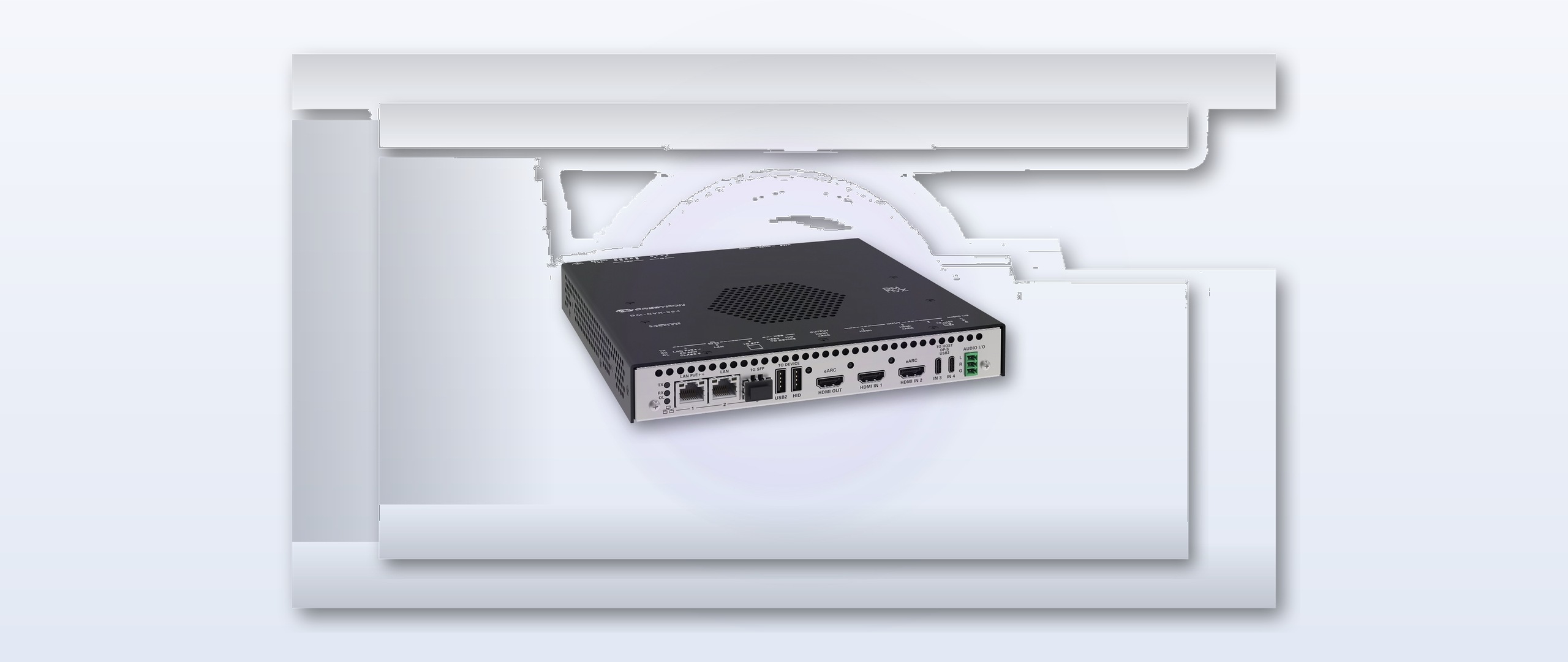
Field Calibration Steps and Cable Choices
Technicians report that the Fx4’s built-in test patterns speed verification of non-standard timings before content arrives on site. Once the timing table is saved to the unit’s onboard memory, the controller retains the settings through power cycles, eliminating daily laptop connections. Installers pair the Fx4 with 18 Gbps certified DisplayPort cables no longer than 15 feet when running 4K@60 on two outputs; longer runs require active cables or a switch to HDMI 2.0 with the optional Datapath HDMI modules. Power draw per Fx4 averages 45 W, so a four-unit rack adds only 180 W to the equipment room load.
Workflow changes appear mainly in the pre-install phase. Instead of ordering panels pre-configured to a single timing, project managers now send the Fx4 timing file to the panel vendor for pre-validation. This step has reduced on-site troubleshooting hours from an average of 14 to roughly 6 on recent jobs. The controller also exposes individual output phase adjustments, which helps correct minor clock skew between panels that share the same nominal refresh rate but differ by a few parts per million.

Looking ahead, integrators expect Datapath to add variable-refresh support and automatic timing import from LED panel XML files within the next firmware cycle. Those features would further reduce manual entry errors as fine-pitch LED continues moving into live-event and broadcast-adjacent spaces that demand frame-accurate synchronization across mixed timing domains.
One overlooked advantage lies in the Fx4’s ability to handle mixed color depths and chroma subsampling across outputs. In a recent corporate command center project, technicians configured two outputs for 10-bit 4:4:4 at 60 Hz while the remaining pair ran 8-bit 4:2:2 to accommodate legacy Leyard tiles without introducing banding. This flexibility eliminated the need for external format converters that typically add latency and cost.
Integration firms also note improved reliability when the Fx4 sits between media servers and the LED wall. Because each output maintains independent genlock, operators can swap sources on one section without disturbing the others. Datapath’s SDK allows custom applications to monitor EDID status and automatically reload timing tables if a panel is replaced mid-event.
Training requirements remain modest. Most techs familiar with WallControl 10 can master custom timing entry in under an hour, thanks to the software’s real-time preview that simulates the exact refresh rate and porch values before committing to hardware. This reduces the learning curve compared with dedicated LED processors that rely on proprietary configuration tools.

Maintenance contracts from Datapath include firmware updates that occasionally expand the supported timing library. Recent additions cover several new Unilumin models with [email protected] Hz, a specification that previously required custom FPGA programming on competing hardware. As LED resolutions push beyond 8K walls, the Fx4’s four-output architecture scales by cascading multiple units with minimal additional configuration overhead.


