
Corporate and higher-education projects continue shifting toward 4K60 distribution at 4:2:0, and many teams now default to 10G AV-over-IP backbones. The Kramer KDS-8ENC+DEC+ pair fits that shift because it encodes and decodes at full 4K60 4:2:0 while riding standard 10G Ethernet switches already installed for data. Yet distance limits still dictate whether copper or fiber is pulled, and those limits appear early in bid documents.
Copper runs on Cat6a stay under 100 m when the link stays at 10G and the encoder sits at one end with the decoder at the display. Beyond that length, signal margins drop and installers must either insert repeaters or switch media. Fiber SFP+ modules on the same KDS-8ENC+DEC+ units extend the same 4K60 stream to 300 m on OM3 multimode and well past 1 km on single-mode, giving designers a clean break point when rooms sit across buildings or multiple floors.
Material pricing reinforces the decision. A 90 m Cat6a pull with terminations lands near $180 per run, while the matching OM3 fiber run with LC connectors costs roughly $420. The fiber premium shrinks once distances exceed 120 m because copper then requires active extenders or additional switch hops that add both parts and labor.
Workflow Steps That Protect Margin on Mixed-Media Jobs
Experienced teams begin by exporting room schedules from the CAD file and tagging each source-to-display path with measured route length. They next apply a 15 % adder for actual cable routing around beams and cable trays. Any path over 95 m on copper triggers an automatic fiber change order before the first spool is ordered. This step prevents mid-install change orders that typically run $1,200–$1,800 per affected endpoint once walls are closed.

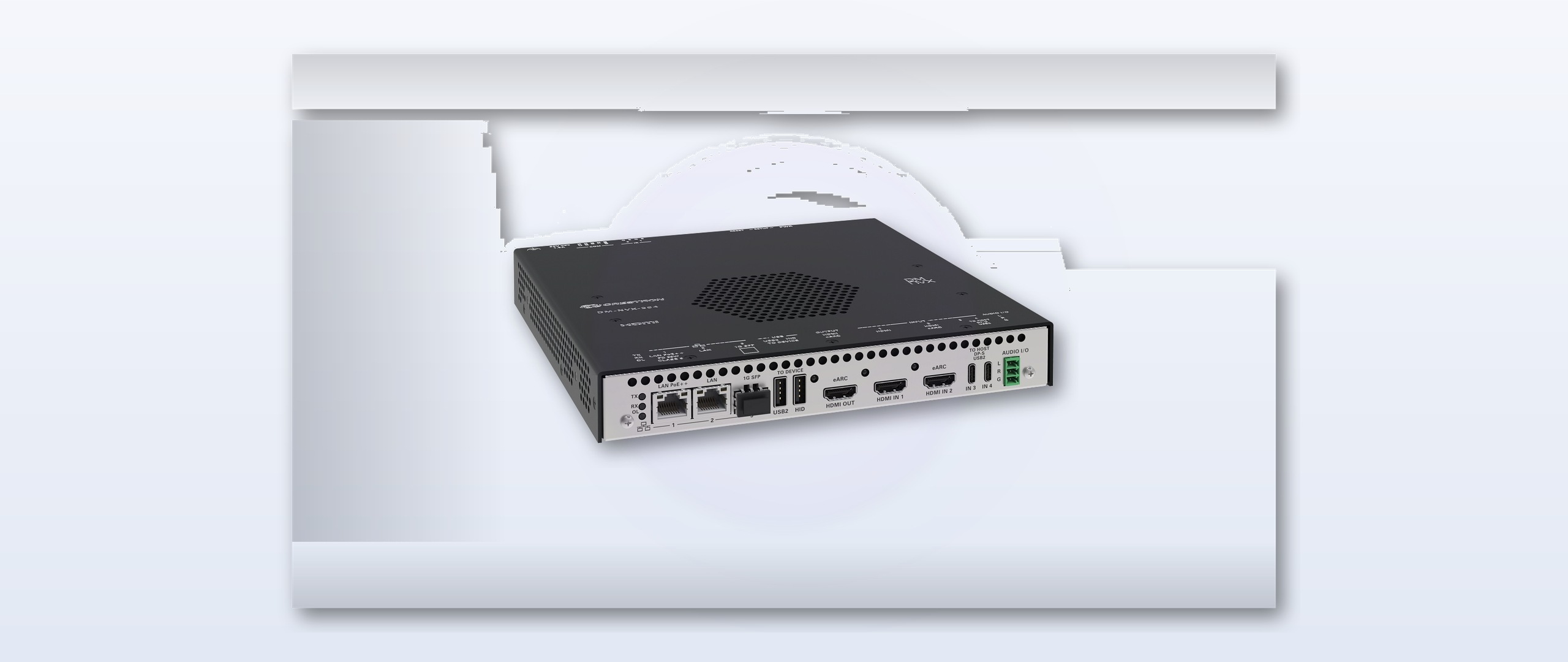
Once media type is locked, rack layout follows. The KDS-8ENC+ units mount in the head-end rack with dual SFP+ cages left open; copper-only jobs receive 10GBASE-T SFPs while fiber jobs receive 10GBASE-SR or LR modules. Because the encoder and decoder share the same hardware, spares stay interchangeable and reduce truck stock. Integrators report that standardizing on one SKU across an entire campus cuts configuration time by roughly two hours per 20 endpoints.
Testing remains straightforward. After termination, each 10G link is validated with a cable certifier set to IEEE 802.3an for copper or a fiber OLTS for optical loss. The KDS-8ENC+DEC+ then passes a 4K60 test pattern; any macro-blocking at the decoder immediately flags a marginal SFP or dirty connector rather than an encoder fault.
Forward planning now includes headroom for 25G uplinks. Several switch vendors already ship hybrid 10G/25G cards, and the same fiber strands that carry the KDS-8ENC+DEC+ streams today can migrate to 25G optics without new pulls. Copper Cat6a plants, by contrast, top out at 10G for reliable AV traffic, forcing a second cabling phase when bandwidth climbs. Specifying fiber sleeves sized for future OM4 or single-mode jumpers therefore protects the next refresh cycle without new construction.
Project managers also factor in long-term operating costs when presenting the fiber option to stakeholders. Single-mode runs consume less than 1.5 W per SFP+ pair versus 3.2 W for active copper extenders, trimming annual energy spend in 24/7 control rooms. More importantly, fiber links eliminate the EMI compliance testing required near large HVAC motors or lighting dimmers, removing a common source of change-order friction.

Campus-wide standardization further simplifies training. Because every KDS-8ENC+DEC+ unit accepts both copper and fiber SFPs, technicians learn one web-GUI layout regardless of media type. Firmware updates propagate simultaneously across the fleet, and the same EDID management profiles apply whether a classroom sits 30 m or 300 m from the core switch.
Finally, early fiber commitments improve bid competitiveness. When the specification already lists OM3 or single-mode sleeves, contractors avoid last-minute premium pricing for emergency fiber pulls. The net result is tighter schedules, fewer RFIs, and higher margins—precisely the outcome design teams seek when they lock media type before the first cable spool arrives on site.


