

Broadcast control rooms continue to push operators closer to LED videowalls as facilities consolidate monitoring positions. With typical sightlines now measured at six to eight feet, pixel pitch selection has shifted from the 1.5 mm modules common five years ago to 0.9 mm and 1.2 mm configurations on most recent projects. The change stems from the need to keep individual LEDs below the visual acuity threshold at those distances rather than any marketing push.
At six feet, a 1.5 mm pitch produces visible pixel structure during static graphic holds, forcing colorists and directors to lean back or squint. Switching to 0.9 mm pitch from vendors such as Absen or Leyard drops the pixel grid to roughly 0.03 inches on center, keeping the image clean even when an operator stands two feet from the surface for cable tracing. The trade-off appears in power draw and thermal output: a 0.9 mm wall can require 15-20 percent more wattage per square meter than its 1.5 mm counterpart, pushing integrators to oversize HVAC returns or add dedicated exhaust paths behind the mounting structure.
Cost remains the primary limiter. Current street pricing places 0.9 mm COB modules near $4,800 per square meter installed, while 1.2 mm direct-view options sit closer to $3,100. Facilities therefore mix pitches within the same room, using 0.9 mm only on the primary program wall and 1.2 mm on secondary multiview arrays. This hybrid approach keeps total material spend within 8-12 percent of a full 1.5 mm budget while satisfying the strictest sightline requirements.
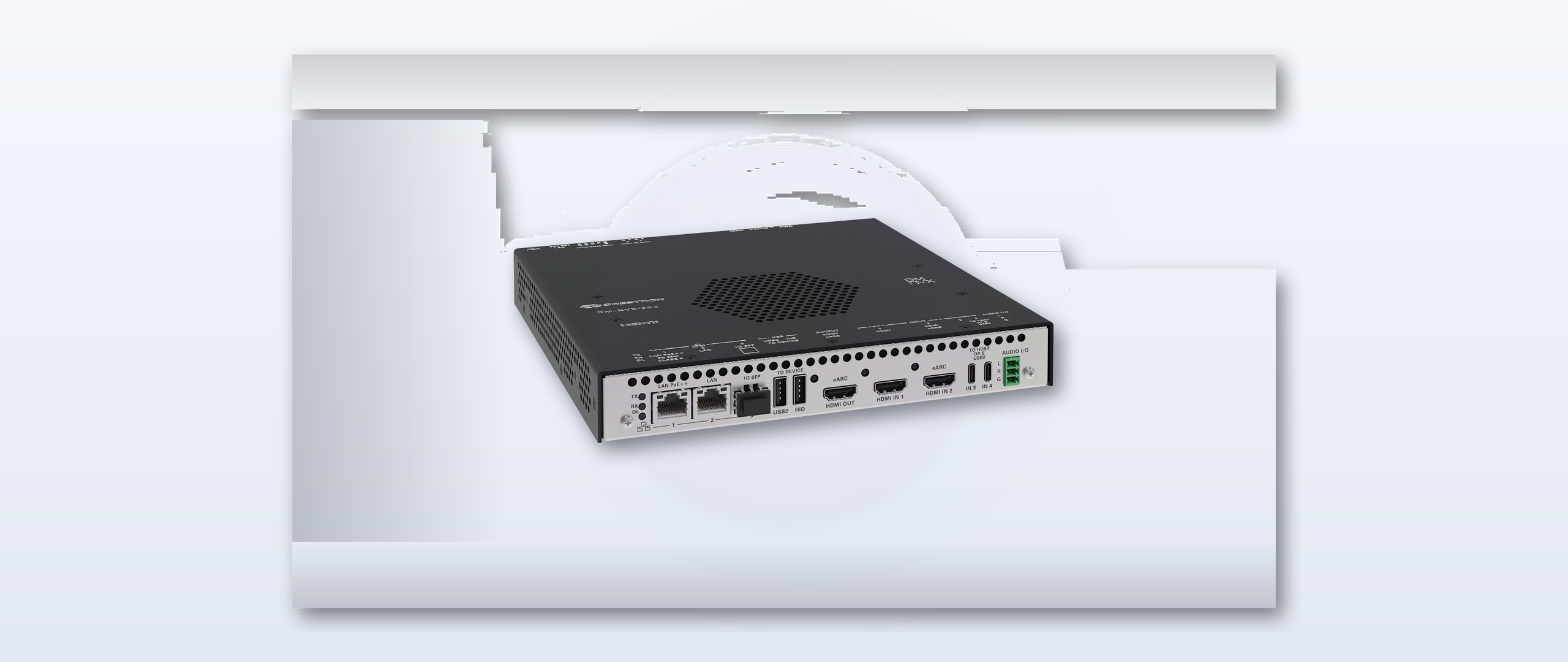
Calibration and Mounting Adjustments on Site
Installers report that finer-pitch cabinets demand tighter mechanical tolerances during rigging. A 0.9 mm module set shows seam brightness shifts at 0.2 mm misalignment, so crews now carry portable laser alignment jigs rather than relying on cabinet edge pins alone. Once hung, each wall undergoes a two-pass NovaStar or Colorlight calibration cycle: first for per-module uniformity, then for cross-wall color match under the specific lighting grid used in the control room. The added step typically adds six to eight hours of on-site time per 20-square-meter section.

Cabling pathways also change. The higher data rates needed for 0.9 mm walls push integrators toward 10 Gb fiber between the video processors and the first cabinet row instead of the copper runs still acceptable at 1.5 mm. In retrofit projects where conduit is already packed, this requirement forces either new pull points or a shift to distributed processing nodes mounted directly behind the wall, increasing both hardware count and long-term service access planning.
Forward-looking integrators are watching the maturation of mass-transfer mini-LED production lines that promise 0.7 mm pitch at costs approaching today's 1.2 mm pricing within two years. Early field tests indicate these modules cut power per nit by roughly 25 percent while maintaining the same brightness envelope, which would ease the HVAC burden that currently limits wall height in many existing control room builds. Facilities planning refreshes after 2026 are therefore specifying mounting structures with extra depth and power headroom to accommodate the next pitch reduction without full mechanical replacement.
Operators are also noticing workflow gains once the finer pitch walls stabilize. With pixel structure invisible at normal working distances, technical directors can keep scopes and multiviews on the primary surface without toggling to external monitors, shortening decision loops during live events. Facilities that adopted the hybrid pitch strategy report a 10-15 percent drop in operator eye strain complaints after the first month, measured through internal health surveys. This ergonomic improvement is prompting some broadcasters to revisit shift lengths and break schedules that were previously dictated by visual fatigue.
Maintenance protocols are evolving in parallel. The smaller LEDs on 0.9 mm and future 0.7 mm modules are more susceptible to electrostatic damage during cleaning, so crews now use ionized air wands instead of microfiber cloths. Spare-module stock levels have risen because individual LED failure rates, while still low, become more noticeable on dense arrays; integrators recommend keeping 5 percent spares on-site rather than the 2 percent typical for 1.5 mm walls. Remote diagnostics through the video processor have become essential, allowing technicians to map dead pixels before traveling to the control room.
Network security considerations have surfaced as well. The 10 Gb fiber links carrying uncompressed or lightly compressed video to the wall increase the attack surface, so facilities are segmenting these connections onto dedicated VLANs with hardware firewalls between processors and the house network. Early adopters discovered that standard corporate firewall rules introduced enough latency to cause lip-sync issues, forcing a redesign of the security stack around the video path.

Looking ahead, rental houses are beginning to stock 0.9 mm touring walls for high-profile sports and awards shows that demand close-up camera shots of the control room itself. This secondary market may accelerate price erosion for permanent installs, potentially bringing full-room 0.9 mm pricing within reach of mid-market stations by 2027. Integrators advise planners to model both capital and operational costs across a ten-year horizon, factoring in electricity rates and HVAC upgrades, rather than focusing solely on initial module pricing.


