
Public universities continue to expand digital signage networks to handle wayfinding, event promotion, and emergency alerts across separate campuses. Central IT teams increasingly specify Scala Enterprise as the content platform because its permission structure supports delegated control without requiring full administrative access at every site. Recent bids for systems serving 80 to 250 players show per-player licensing plus annual maintenance running between $185 and $240, with the first three years often bundled into the initial capital purchase.
Scala Enterprise stores content on-prem or in a private cloud instance, then pushes scheduled playlists to players via the DataCenter module. Governance relies on user roles that restrict upload rights, approval queues, and publishing targets to defined campus groups. For example, a main-campus marketing team can be limited to content tagged for the downtown medical center zone while still seeing usage analytics from those players. Network segmentation typically involves separate VLANs per campus, with the Scala server placed in the core data center and players authenticating through certificate-based VPN tunnels.
Installer Configuration Steps and Hardware Choices
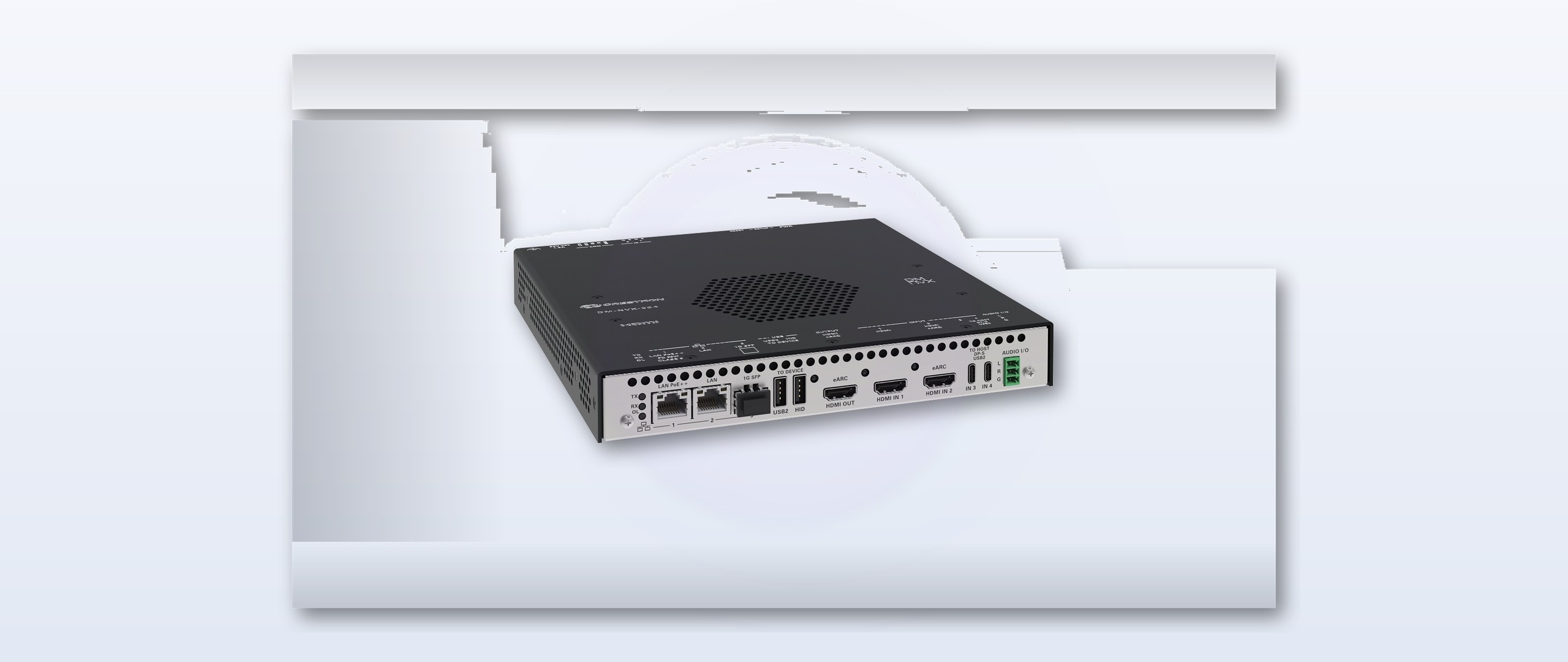
Integrators report that initial setup begins with mapping each campus subnet and confirming multicast traffic for player discovery. Typical hardware stacks include Dell PowerEdge servers with dual 10 GbE ports for the central CMS, paired with Scala-licensed Intel NUC or BrightSign XT5 players at display endpoints. Cable runs often combine Cat6 for signage and existing fiber backbones for inter-campus links, keeping media distribution latency under 80 ms. Labor estimates for a 120-player deployment average 14 weeks, with two network engineers handling VLAN trunking and certificate deployment while one Scala-certified technician configures role hierarchies and template libraries.
Content governance adds workflow checkpoints that affect both the integrator and the university AV support staff. After templates are created in Scala Designer, each asset must pass through an approval stage before it reaches the scheduled playlist. Universities frequently request that emergency override messages bypass the normal queue yet still log the user ID and timestamp. Integrators therefore script custom triggers inside Scala’s REST API so that a Crestron control system or mass-notification platform can force immediate playback without granting blanket admin rights. These scripts require separate test environments, adding roughly 60 hours of validation time per campus cluster.

Storage economics shift once governance rules are active. Each player maintains a local cache sized for 72 hours of typical media, but central retention policies now keep approved assets for 18 months to satisfy records requests. This increases the central storage footprint to 12–18 TB for a mid-size system, pushing integrators toward 24-bay NAS units with RAID 6 rather than single-server DAS configurations.
Looking ahead, universities are testing hybrid deployments that keep the Scala approval engine on-prem while moving asset transcoding and analytics to a managed service provider. Integrators will need to document data-flow boundaries and update firewall rules as these split workloads become more common, especially when state-level privacy statutes require retention logs to remain inside campus data centers.
These hybrid models also prompt fresh questions around role-based access when analytics engines reside off-site. Universities often insist that usage dashboards remain visible only to authorized campus roles, requiring SAML assertions or OAuth scopes that map directly to Scala’s internal groups. Integrators are therefore embedding attribute-based rules that strip personally identifiable viewer data before it leaves the on-prem boundary, satisfying both FERPA and emerging state privacy laws without disabling the granular reporting that justifies the platform’s cost.
Procurement teams further evaluate long-term governance by modeling staff turnover. Because delegated approvers change every semester, Scala’s directory sync with Active Directory or Azure AD has become a standard line item. Automated de-provisioning cuts the risk of orphaned playlists that could otherwise remain published for months, an exposure highlighted in recent audits at two Big Ten institutions. The added scripting layer typically adds $12,000–$18,000 to the first-year services budget but reduces annual administrative overhead by roughly 30 percent once live.
Looking farther ahead, several system architects are piloting Scala’s forthcoming multi-tenant SaaS tier alongside existing on-prem instances. Early tests show that emergency-alert latency stays under four seconds even when the approval workflow straddles both environments, provided inter-site links maintain sub-20 ms jitter. As more universities standardize on these split governance stacks, the integrator community expects demand for certified “Scala Governance Architects” to rise, turning what began as a signage rollout into a sustained consulting practice centered on policy, compliance, and delegated control.


